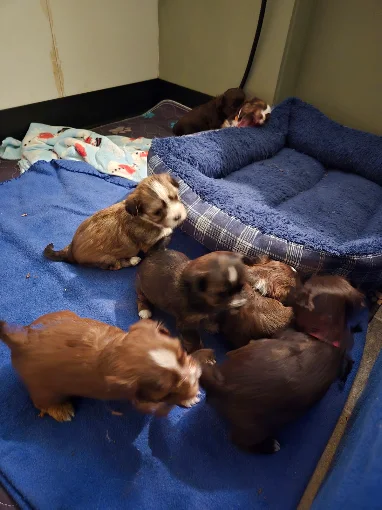
Bringing home a tiny Yorkie or Morkie puppy is exciting, but the first days can feel a little overwhelming. If your puppy seems shy, naps often, or needs help settling into a new routine, clear guidance can make those first weeks much easier.
Yadkinyorkies & Morkies shares practical puppy care tips for families in Yadkinville, NC, so you know what to do from the moment your puppy comes home. We focus on the early habits that help puppies adjust, eat well, learn routines, and feel secure while they grow.
The first 48 hours set the tone for your puppy’s transition. A calm space, a simple routine, and gentle handling help reduce stress and confusion. Your puppy may explore, hide, sleep, or follow you closely. That is normal. Keep the environment quiet and predictable while your puppy learns the new home.
At Yadkinyorkies & Morkies, we often remind families to keep the first day simple. Avoid too many visitors, loud sounds, or constant passing around. Let the puppy choose when to approach, and keep interactions soft and short until trust starts to build.
Choose one small area for sleeping, eating, and early potty routines. A contained space helps your puppy feel safe and makes supervision easier.
Feed, take potty breaks, and offer rest at about the same times each day. Puppies learn fast when the schedule stays consistent.
Small breeds like Yorkies and Morkies need steady feeding habits because their tiny size makes routine important. Sudden changes in food or schedule can upset their stomach and make training harder. Start with the feeding plan your puppy has already been using, then adjust slowly if needed.
Watch how your puppy eats. A healthy eating pattern usually looks like interest at mealtime, steady chewing, and normal energy afterward. If your puppy skips meals, gulps food too quickly, or seems uncomfortable after eating, slow down and review the schedule.
Offer food at the same times each day and avoid leaving food out all day unless you have a clear feeding plan. Regular meal times help with digestion and potty training.
Young puppies do better with portions matched to their age and size. Large meals can be hard on a small puppy, while too little food can leave them restless.
Potty training starts right away, even if your puppy is very young. Small puppies need frequent breaks, especially after waking up, after eating, and after play. The more often you guide them to the right spot, the faster they connect the habit.
Stay patient during this stage. Accidents happen while puppies learn, and yelling can make the process harder. Instead, watch for signs such as circling, sniffing, or sudden stopping during play, then take your puppy out calmly.
Take your puppy out first thing after naps and overnight sleep.
Meal time often leads to potty time soon after, so plan a quick break.
Excitement can trigger the need to go, so do not wait too long once play ends.
A final trip outside or to the designated potty area helps end the day on a routine.
Socialization matters for Yorkie and Morkie puppies because these small breeds can become hesitant if they only know one environment. Gentle exposure to different people, sounds, textures, and calm handling helps your puppy gain confidence without feeling overwhelmed.
Keep each new experience short and positive. A puppy who is pushed too fast may shut down or become nervous. A puppy who gets small, successful exposures usually adapts more smoothly.
Yorkies and Morkies need early grooming habits so brushing and cleanup become part of normal life. Starting young helps your puppy accept handling around the face, ears, legs, and paws. A few calm minutes each day is usually better than a long session that leaves your puppy frustrated.
Use soft praise and short breaks. If your puppy squirms, pause and reset instead of forcing the session. The goal is comfort and trust, not speed.
Begin with short brushing sessions and work up gradually. Focus on easy areas first, then move to spots that need more patience.
Look over the eyes and ears during calm moments so your puppy gets used to gentle routine checks.
Puppies need a lot of sleep, and rest supports growth, learning, and a balanced mood. If your puppy seems sleepy after a burst of play, that is expected. Over-tired puppies often become nippy, restless, or hard to settle, so build in quiet time before they get overstimulated.
A comfortable rest area should feel safe and separate from busy activity. If your puppy wakes often at first, that does not always mean something is wrong. New sounds, smells, and routines can all interrupt sleep while your puppy adjusts.
Restless pacing, nipping, or zooming around can mean your puppy needs a nap, not more play.
Limit interruptions during naps so your puppy learns that rest is part of the daily routine.
Early training works best when it is simple. Choose short words and repeat them the same way each time. Puppies learn from timing, tone, and repetition more than from long explanations. Keep sessions brief and end while your puppy is still engaged.
Yadkinyorkies & Morkies encourages families in Yadkinville, NC to focus on a few basics first. Sit, come, name recognition, and calm waiting can all begin early, even for very small puppies.
Say the puppy’s name once, then reward attention when they look at you.
Reward calm behavior such as sitting quietly before being picked up.
Use the same cheerful cue each time you want your puppy to come close.
Stop before your puppy loses focus, then try again later.
Having the right basics ready before pickup makes the transition smoother. You do not need a large setup. You need a few dependable items that support feeding, resting, potty training, and safe handling.
Keep supplies simple at first. Too many toys or too much clutter can distract a young puppy from learning where to eat, rest, and go potty.
Young puppies usually do best with several small meals across the day. The exact pattern depends on age and size, but consistency matters most.
Puppies need extra sleep for growth and learning. Long naps are normal, especially after play, meals, or new experiences.
A shy puppy may simply need more time to settle. Keep things quiet, stay patient, and let your puppy approach new people and spaces at a comfortable pace.
Begin with short, calm sessions. Touch paws, brush lightly, and keep the experience positive so grooming feels familiar.
Not usually. A slow transition helps avoid stomach upset. Keep the original routine at first unless you have a clear reason to change it.
Use a steady schedule, a quiet resting area, gentle handling, and simple daily routines. Predictability helps puppies relax and learn.
If you are raising a Yorkie or Morkie puppy in Yadkinville, NC, practical guidance can make daily care feel much easier. Yadkinyorkies & Morkies works with families who want help understanding feeding, potty routines, socialization, and early habits for a small puppy at home.
Our puppies are raised as part of an in-home breeding program, and we know how much those early weeks matter. If you need help preparing for a new puppy or want guidance after pickup, reach out by email at Yadkinyorkies@yahoo.com or call +13364884717 during open hours, Monday through Saturday from 8:00 to 18:00.

Reach Out Today
If you are looking for a Yorkie or Morkie puppy, contact Yadkinyorkies & Morkies to learn about available litters, puppy details, and the adoption process.